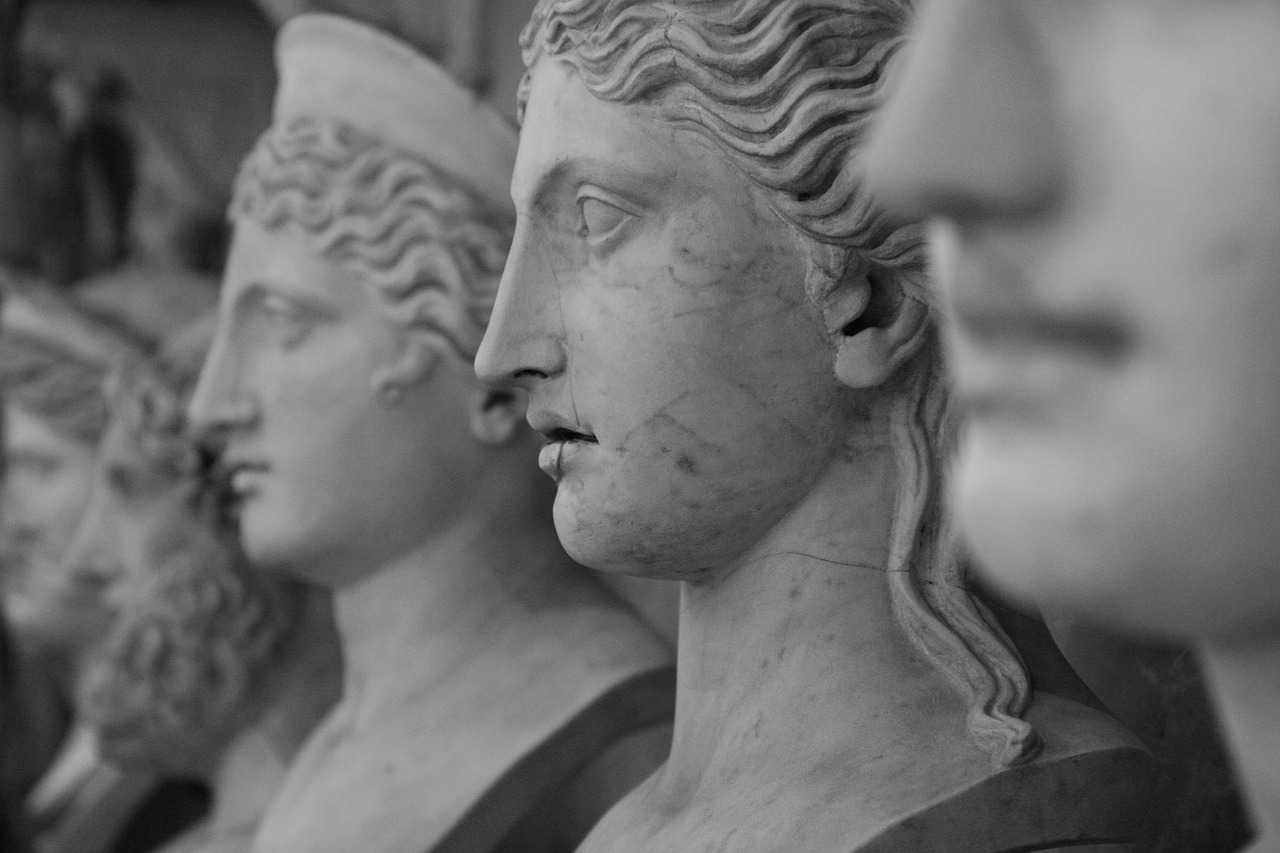

Roman art still feels surprisingly modern because it was built to be seen in public, to persuade, and to last—whether carved in stone, cast in bronze, or painted across an entire room. Its most recognizable images are not only beautiful objects but also records of power, identity, and everyday life across a vast empire.
This article explains what roman art is, why it looks the way it does, and how its major forms sculpture, architecture, and wall painting worked together to shape Roman society from the Republic to late antiquity.
What Roman Art Is and Where It Came From
Roman art developed over many centuries, roughly from the early Republic in the 5th century BCE through the imperial period and into late antiquity in the 4th and 5th centuries CE. It was not a single style but a set of practices and visual habits that changed with politics, religion, and technology. Romans absorbed ideas from Etruscan culture in Italy and from the Greek world, especially after Rome expanded into southern Italy and the eastern Mediterranean.
Greek influence is easy to spot in idealized gods, athletic bodies, and balanced compositions, yet Roman taste often leaned toward specificity: portraits with individualized faces, reliefs that read like historical narratives, and buildings engineered for crowds. This blending—borrowing prestige from Greek models while emphasizing Roman social values—helps explain why roman art can appear both “classical” and intensely practical.
Another defining feature is scale. As Rome grew into an empire spanning three continents, art became part of administration and communication. Images of emperors, victories, and civic benefactions traveled across provinces, creating shared visual signals about authority and belonging even when local languages and customs differed.
Sculpture and Portraiture: Realism, Status, and Memory
Portraiture is one of the clearest windows into Roman priorities. In the Republican period, elite men often preferred a severe, “veristic” look: wrinkles, jowls, and asymmetries were not flaws but proof of experience and virtue. These portraits could function as political branding, implying reliability and service to the state. In many households, ancestral images mattered too; the idea of family lineage had public weight, and portraits helped make that lineage visible.
Under the emperors, portrait style shifted with the message each ruler wanted to project. Augustus promoted an eternally youthful, controlled image that suggested stability and renewal after civil war. Later emperors alternated between idealization and harder realism, and hairstyles or beard fashions could signal philosophical seriousness or military toughness. Across these changes, the underlying function stayed consistent: a portrait was a tool of recognition and loyalty, especially when replicated in marble or bronze and installed in forums, basilicas, and temples.
Relief sculpture—carved scenes on monuments—worked like public storytelling. Victory processions, battle summaries, and acts of imperial generosity were depicted in orderly sequences that taught viewers how to interpret events. Instead of focusing on a single heroic body, Roman relief often focuses on legibility: who is in charge, what action happened, and why it matters. In this sense, roman art prioritized clarity and civic messaging as much as anatomical perfection.
Architecture and Engineering: Space for the Empire
Roman architecture is inseparable from engineering. Advances in concrete construction allowed builders to create large interior spaces and complex forms that were difficult to achieve with cut stone alone. Arches, vaults, and domes were not merely decorative; they distributed weight efficiently, enabling aqueducts, amphitheaters, bath complexes, and monumental basilicas to be built on an unprecedented scale.
Concrete made it possible to shape space to social purpose. The Colosseum, begun in the 70s CE, could host tens of thousands of spectators, organizing crowds through multiple entrances and circulation corridors. Public baths combined exercise yards, libraries, shops, and large heated rooms, making architecture a daily experience for people across classes. Forums and triumphal arches turned city centers into stages where political authority was reinforced by ritual movement and imposing vistas.
Temples and civic buildings also reveal how Romans combined borrowed aesthetics with local innovation. Columns and pediments echoed Greek precedents, but the Romans often emphasized frontal approaches, tall podiums, and integrated urban settings. In provincial cities, the same building types appeared with regional materials and hybrid motifs, showing that roman art was a flexible system rather than a rigid blueprint.
Painting and Mosaics: Illusion, Decoration, and Daily Life
Roman wall painting survives best in places sealed by disaster, most famously around the Bay of Naples. These interiors show how Romans used art to reshape the experience of a room. Painted architectural frameworks could create the illusion of expanded space, opening walls into imaginary courtyards, colonnades, or distant landscapes. Other schemes centered on mythological panels, delicate ornaments, or still-life displays of food and vessels—images that turned private dining rooms into curated worlds.
Mosaics, assembled from small stones or glass pieces, offered durability and visual richness, especially on floors and in wet environments. They ranged from geometric patterns to intricate figural scenes of theater masks, animals, sea creatures, or famous stories. In North Africa, for example, large mosaic pavements often celebrated hunting, agriculture, and seasonal abundance, reflecting local prosperity while still fitting into broader Roman tastes.
These media also preserve a more intimate record than state monuments do. A mosaic of a barking dog at an entryway, a painted garden filled with birds, or a bustling street scene reveals what Romans found amusing, protective, or pleasurable. Through such works, roman art documents not just emperors and generals but also the textures of domestic life.
Conclusion
Roman art endures because it fused borrowed classical beauty with a distinct Roman focus on public communication, engineering scale, and recognizable human identity, leaving behind images and spaces that still shape how later cultures imagine power, cities, and everyday life.